
Winter Storms & Fire Safety: What Property Managers Need to Know This Season
- S
- Nov 19, 2025
- 3 min read

Winter in Washington not only brings freezing temperatures but also strong winds, ice, and extended power outages. While most people think about downed trees and blocked roads, property managers know the real worry: how winter storms compromise fire protection systems.

When the power goes out or a sprinkler line freezes, your building becomes vulnerable. Insurance liability increases. Compliance rules shift. And in many cases, the Fire Marshal may require immediate Fire Watch.
Here’s what you need to know to protect your property and stay compliant during winter weather.
Power Outages Can Disable Fire Protection Systems
Winter storms commonly knock out electricity. But few building owners realize that:
Sprinkler systems often rely on electric fire pumps
Alarm panels run on limited-life backup batteries
Smoke detectors can go offline after power surges
Magnetic door holds release, changing life-safety egress paths
When any required fire-protection system is impaired (especially if the fire alarm system is offline or in “trouble” for an extended period) most jurisdictions follow NFPA guidance that requires notifying the Authority Having Jurisdiction (AHJ) and placing the building on Fire Watch or evacuating until the system is restored.
If your alarm panel shows “trouble,” “offline,” “AC loss,” “ground fault,” or “communication failure,” call immediately.
Seattle Emergency Firewatch can dispatch within minutes across King, Pierce, Snohomish, Thurston, and Kitsap counties.
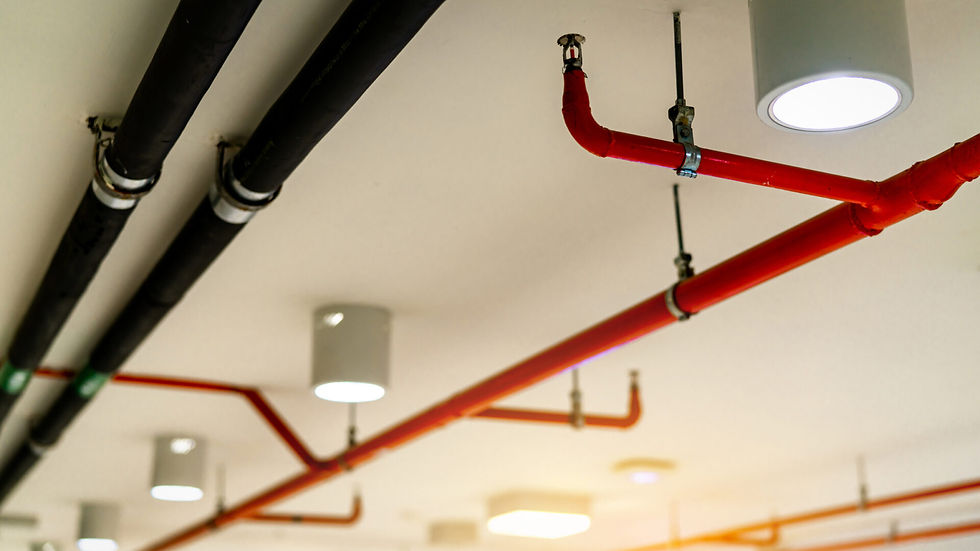
Frozen or Burst Sprinkler Pipes = Immediate Fire Watch
Our region has seen sudden cold snaps that freeze exposed or improperly insulated fire lines, especially:
Parking garages
Attics
Stairwells
Exterior breezeways & unheated corridors
Once a sprinkler pipe freezes or bursts:
Your suppression system becomes inoperable
Water damage increases your loss risk
The Fire Marshal will require Fire Watch until repaired
We stay on-site until your system is fully functional and signed off by the repair contractor.
Generator Failures Happen More Often in Winter
Generators help keep critical systems running, but they are often neglected until it's too late. Common winter issues include:
Dead or weak batteries
Frozen diesel fuel
Improper load testing
Failed automatic transfer switches
If your building relies on the generator to back up the fire panel or sprinkler pump, a generator failure will trigger immediate Fire Watch requirements.
Pro Tip:
Test your generator quarterly and manually run it under load before each major storm event.

What to Do Before a Winter Storm Hits
Preparedness can prevent 90% of fire-system related emergencies. We recommend:
✔ Inspect & insulate exposed sprinkler lines
Especially in parking structures, attics, and older buildings.
✔ Check your fire alarm panel for recent trouble signals
Many issues show up days before storms- handle them early.
✔ Run your generator for at least 15 minutes under load
Ensure all ATS and backup systems function properly.
✔ Review your emergency plan with staff
Make sure everyone knows who to call and what to do.
✔ Save our number ahead of time
So when something goes wrong, you don’t waste minutes searching for help.
Seattle Emergency Firewatch: (206) 657-6227
When Do You Legally Need Fire Watch?
You must initiate Fire Watch when any fire protection system fails, including:
Fire alarm system in “trouble” or “offline”
Sprinkler system impaired
Fire pump inoperable
Standpipe system compromised
Communications with central monitoring lost
Suppression system (kitchen/clean agent) offline
Washington Fire Marshals take winter-related impairments seriously. Response times may be slower during storms, increasing the need for trained fire watch personnel.
What Seattle Emergency Firewatch Does During a Storm
Our guards follow strict compliance protocols:
Patrol all affected areas every 15–30 minutes
Identify fire, smoke, or hazards
Maintain constant communication logs
Notify fire department and building management of issues
Stay on-site until the system is repaired and cleared
Our officers arrive in professional, clearly identified uniforms, and each patrol is recorded with detailed digital logs you can instantly show to the Fire Marshal, insurance, or your property management team whenever needed

Need Fire Watch Immediately? We’re Ready - 24/7
Winter storms don’t wait, and neither do we.
Seattle Emergency Firewatch provides:
Emergency Fire Watch dispatch
Construction Fire Watch
Temporary coverage during repairs or maintenance
Post-Incident Fire Watch (after small fires, flooding, or sprinkler activations)
Scheduled Overnight or Weekend Fire Watch
Whether you’re a property manager, GC, HOA, or facility director, we help you stay compliant, safe, and protected.
Call anytime - 24/7 Emergency Dispatch
(206) 657-6227


Comments