
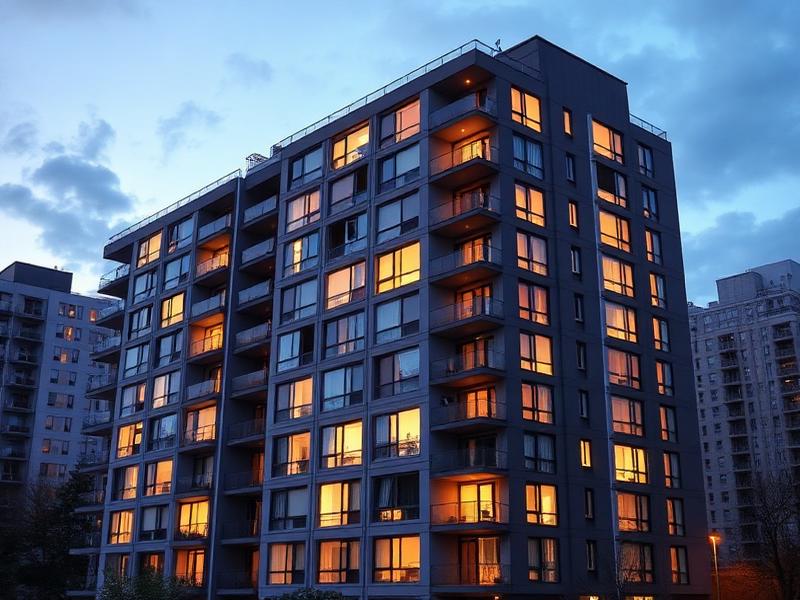
Apartment Fire Watch Officers — Occupied Multifamily Impairment Coverage
Apartment buildings cannot be emptied because a sprinkler riser is drained. Our Fire Watch Officers patrol occupied units, corridors, and stairwells until the system is back in service.
Why Apartment Communities Need Fire Watch Coverage
An apartment building is occupied twenty-four hours a day, including while residents sleep, which is why fire marshals across Puget Sound treat multifamily impairments as urgent. Under IFC 901.7 any out-of-service fire alarm, sprinkler, standpipe, or fire pump system in an occupied building requires notification to the fire department and an approved fire watch until the system is restored and tested. In practice that means a garden-style community with a drained riser, a mid-rise with a failed addressable panel, or a wood-frame walk-up during a fire pump replacement all need a dedicated Officer on site.
Seattle Emergency Firewatch staffs certified Fire Watch Officers for apartment communities across King, Pierce, Snohomish, Thurston, Kitsap, and Yakima counties. We work directly with property managers, regional managers, maintenance supervisors, and the sprinkler and alarm contractors performing the work, so the watch starts before the system goes offline and ends only after the contractor's restoration test.
Building Types and Patrol Planning in Multifamily Housing
Multifamily patrol plans depend on the construction type. Garden-style communities spread across several detached buildings with unenclosed breezeways, so a patrol loop has to reach each structure inside the required interval — often 15 to 30 minutes depending on what the fire marshal ordered. Mid-rise and high-rise buildings concentrate risk vertically: Officers walk every occupied floor, check stair enclosures and door closers, verify elevator lobby conditions, and confirm exit paths and extinguisher access on each round.
Podium construction with parking below and residential above adds a garage level that carries its own fuel load, and mixed-use buildings put ground-floor retail or restaurants under sleeping units, which raises kitchen and hot work risk during the impairment. Officers also watch resident behaviors the impairment makes dangerous — propped stair doors, blocked breezeways, balcony grills, unattended cooking, and construction debris in egress paths — and correct or report them immediately.
Documentation, Notice, and Insurance Requirements
Ownership groups, lenders, and insurance carriers expect a paper trail for every multifamily impairment. Our Officers keep timestamped patrol logs recording each round's start time, the buildings and floors covered, hazards observed and corrected, occupant contacts, and any fire department notification. Logs are delivered at the end of each shift so the management company can attach them to the impairment record and produce them on demand during an inspection.
We also help communities meet resident-notification expectations by documenting when notices were posted about the impaired system, and we coordinate with on-site staff so leasing offices know who is on site and how to reach the Officer. For planned work — annual sprinkler testing, riser replacement, panel upgrades, or repiping projects — we schedule coverage in advance so the community is never left uncovered between contractor shifts.
Compliance and Operational Details
- IFC 901.7 requires notification and a documented fire watch for occupied multifamily impairments
- Garden-style communities need patrol loops that reach every detached building within the interval
- Mid-rise and podium buildings add stair enclosure, garage, and elevator lobby checks
- Mixed-use ground floors put commercial kitchen and hot work risk under sleeping units
- Officers correct propped stair doors, blocked breezeways, and obstructed egress on every round
- Logs are delivered each shift for management, ownership, lender, and carrier records
Fire Risks
- High occupant density increases evacuation complexity
- Cooking-related fires are the leading cause of apartment fires
- Aging fire alarm and sprinkler systems in older buildings
- Common area hazards including laundry rooms, trash chutes, and storage
- Limited egress routes in mid-rise and high-rise buildings
Compliance Requirements
- Fire code requires a dedicated fire watch when alarm or sprinkler systems are impaired
- Property managers must notify the fire department of system impairments
- Fire watch logs must be maintained and available for fire marshal inspection
- Fire watch must cover all common areas, corridors, and egress routes
Benefits of Professional Fire Watch
- Protect resident safety during system outages
- Keep the building legally occupied instead of facing an evacuation order
- Timestamped fire watch logs for insurance and liability protection
- Digital copies of every log delivered to ownership and management
Related Services
Emergency Fire Watch
Immediate deployment of certified Fire Watch Officers when fire protection systems fail unexpectedly.
Fire Alarm System Failure
Continuous patrol coverage when fire alarm systems are offline for repair or replacement.
Sprinkler System Impairment
Fire watch patrols when automatic sprinkler systems are impaired or taken out of service.
Standpipe & Fire Pump Impairment
Coverage for high-rise standpipe outages, fire pump repairs, and water supply interruptions.
Planned System Maintenance
Scheduled fire watch coverage during planned fire protection system shutdowns and testing.
Fire Marshal Ordered Fire Watch
Same-day compliance when an inspector or fire marshal orders fire watch as a condition of occupancy.
Apartment Buildings Fire Watch Questions
Do apartment residents have to be relocated during a fire watch?
Usually not. A properly staffed and documented fire watch is the compensating measure that allows an occupied apartment building to stay occupied while its alarm or sprinkler system is out of service.
How often does an Officer patrol an apartment community?
Patrol intervals are set by the fire marshal and the scope of the impairment, commonly every 15 to 30 minutes, covering every occupied building, floor, corridor, and stairwell affected.
Can you cover scheduled sprinkler testing at our community?
Yes. We book coverage ahead of annual testing, riser work, panel upgrades, and repipes so an Officer is on site before your contractor takes the system offline.
Need Fire Watch?
24/7 dispatch for immediate fire watch deployment.
(206) 657-6227Request ServiceAll Industries
Need Fire Watch Coverage Right Now?
Our dispatch center is staffed 24/7. Certified fire watch guards can be on-site within hours of your call.
Page last revised