Construction Site Fire Watch Officers — IFC Chapter 33 and Hot Work Coverage
Wood-frame construction is at its most vulnerable before sprinklers are live. Our Fire Watch Officers cover framing, hot work, and impairment phases with permit-ready documentation.
Fire Watch on Active Construction Sites
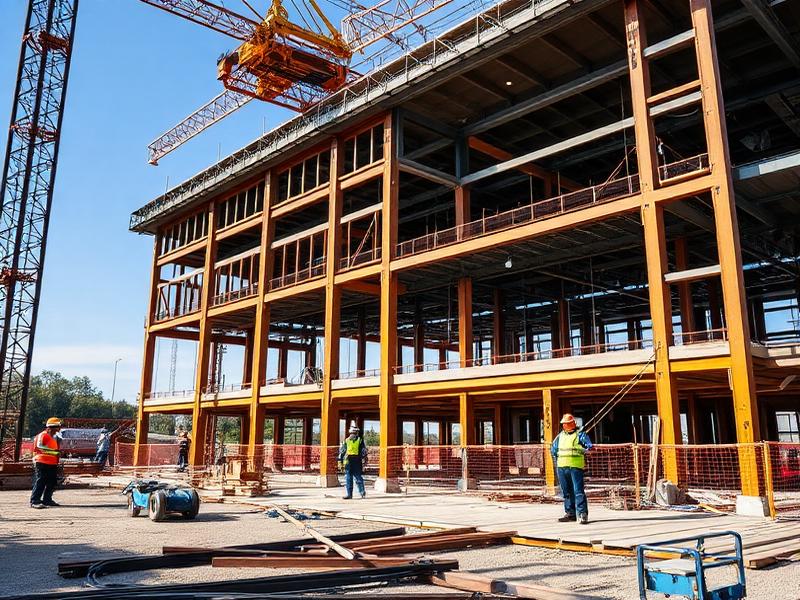
A building under construction has exposed combustible framing, no operating sprinkler system, incomplete standpipes, temporary electrical service, and open stair and shaft penetrations — the exact conditions that turn a small ignition into a total loss. IFC Chapter 33 addresses fire safety during construction and demolition, and Puget Sound fire marshals frequently require a fire watch once a structure passes a defined height or area threshold, when standpipes are not yet usable, or when a site's own fire safety plan calls for it.
Seattle Emergency Firewatch provides certified Fire Watch Officers for wood-frame multifamily projects, podium and high-rise construction, tenant improvements inside occupied buildings, and demolition and renovation work throughout the region. Officers work to the site's approved fire safety plan and report to the superintendent or fire prevention program manager on each shift.
Hot Work, Standpipes, and Site Fire Protection
Hot work drives much of the risk. Welding, cutting, grinding, soldering, and torch-applied roofing under IFC Chapter 35 require a permit watch during the operation and continuous monitoring for at least 30 minutes afterward, longer where the permit specifies. Our Officers staff the watch with an extinguisher at the work area, shield and monitor the opposite side of walls and floors, and confirm the area is cold before it is released.
Officers also verify the site's own protection stays usable: temporary standpipe risers advanced with construction and valved at accessible landings, extinguishers distributed by travel distance on every level, clear fire lanes and hydrant access, and gates that a responding engine can get through. Where a permanent system exists but is impaired for tie-in work in an occupied building, the watch covers occupied areas and the work zone together.
Overnight Coverage, Arson Exposure, and Documentation
Most catastrophic construction fires happen when nobody is on site. Framed wood-frame buildings are an arson and trespass target, and heat sources left after the crew leaves — temporary heaters, charging equipment, lights, and smoldering hot work — account for many overnight losses. Our Officers staff after-hours and weekend coverage, patrol every level and the site perimeter on a set interval, watch for unauthorized entry, and verify that heaters, charging stations, and temporary power are secured as the plan requires.
Every round is logged with timestamps, levels and areas covered, hot work permits monitored, hazards found and corrected, and any notification to the superintendent or fire department. General contractors use those logs for the fire marshal's file, for their own safety program, and for builder's risk carriers who increasingly require documented overnight fire watch on combustible frame projects.
Compliance and Operational Details
- IFC Chapter 33 governs construction-phase fire safety, including required fire watch thresholds
- Hot work permit watches continue at least 30 minutes after the operation ends, longer if required
- Temporary standpipes, extinguisher distribution, and fire lane access are verified each shift
- Occupied-building tenant improvements combine impairment coverage with construction watch
- Overnight and weekend patrols address arson, trespass, and unattended heat source exposure
- Logs support the fire marshal's file, contractor safety programs, and builder's risk carriers
Fire Risks
- Incomplete or partially commissioned fire protection systems
- Combustible construction materials and accumulated debris
- Temporary electrical installations, heaters, and equipment
- Occupied phases adjacent to active construction areas
- Limited water supply and blocked access during buildout
Compliance Requirements
- Fire watch is required when required systems are not yet in service
- Permit conditions may mandate fire watch during specific project phases
- Occupied portions of a renovation must remain protected or covered by fire watch
- Documented patrols must be available to the fire marshal and inspector of record
Benefits of Professional Fire Watch
- Keep occupied phases legally open during renovation
- Protect the project investment during high-risk phases
- Overnight and weekend coverage when trades are off site
- Digital fire watch logs shared with the GC and owner
Related Services
Emergency Fire Watch
Immediate deployment of certified Fire Watch Officers when fire protection systems fail unexpectedly.
Fire Alarm System Failure
Continuous patrol coverage when fire alarm systems are offline for repair or replacement.
Sprinkler System Impairment
Fire watch patrols when automatic sprinkler systems are impaired or taken out of service.
Standpipe & Fire Pump Impairment
Coverage for high-rise standpipe outages, fire pump repairs, and water supply interruptions.
Planned System Maintenance
Scheduled fire watch coverage during planned fire protection system shutdowns and testing.
Fire Marshal Ordered Fire Watch
Same-day compliance when an inspector or fire marshal orders fire watch as a condition of occupancy.
Construction Sites Fire Watch Questions
When does a construction site legally need a fire watch?
Requirements come from IFC Chapter 33, the site's approved fire safety plan, and the local fire marshal — commonly once a building exceeds a height or area threshold, when standpipes are not yet usable, or during hot work.
Do you provide overnight construction fire watch?
Yes. Overnight and weekend coverage is one of our most requested construction services, with set-interval patrols of every level and the site perimeter and checks on heaters and charging equipment.
Can you cover tenant improvement work in an occupied building?
Yes. When sprinkler or alarm systems are impaired for tie-in work, we cover the occupied areas and the construction zone together and document both in the same shift log.
Need Fire Watch?
24/7 dispatch for immediate fire watch deployment.
(206) 657-6227Request ServiceAll Industries
Need Fire Watch Coverage Right Now?
Our dispatch center is staffed 24/7. Certified fire watch guards can be on-site within hours of your call.
Page last revised