Multi-Family Fire Watch Officers — Garden-Style and Podium Portfolio Coverage
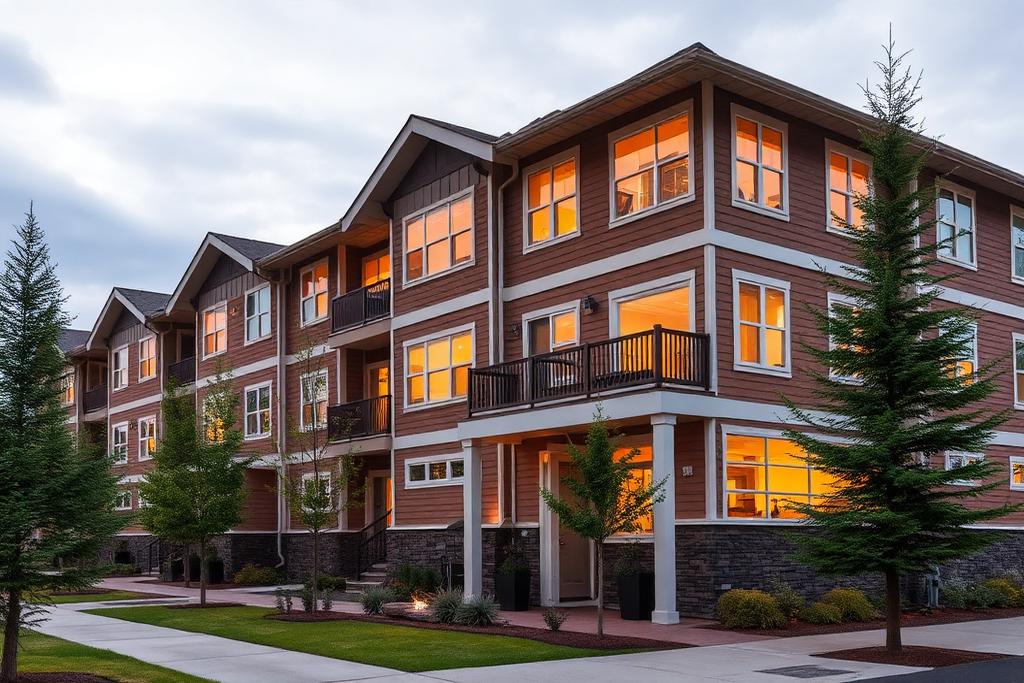
Multi-family portfolios span detached garden buildings and podium-construction towers with shared corridors and stacked risers. Our Fire Watch Officers cover both, and report to owners and HOAs the way each expects.
Why Multi-Family Portfolios Need a Different Watch Than a Single Building
A multi-family portfolio is not one building — it is a set of structures, often built in different phases, sharing risers, fire alarm reporting, and management staff across a site. When a riser feeding a shared standpipe or a fire alarm panel networked across several buildings goes out of service, IFC 901.7 requires a fire watch across every occupied structure the impairment actually reaches, and figuring out that reach is the first task on a portfolio job, not an assumption made from the unit count on the rent roll.
Seattle Emergency Firewatch staffs multi-family fire watch for garden-style communities, podium-construction buildings with structured parking below residential units, and mixed campuses that combine both, across King, Pierce, Snohomish, Thurston, Kitsap, and Yakima counties. We work with the property manager on site day-to-day, the ownership group or HOA board that receives the compliance record, and the sprinkler or alarm contractor performing the repair.
Stacked Risers, Shared Corridors, and Podium Construction
Podium buildings stack multiple floors of wood-frame residential construction over a concrete podium deck, usually with parking or commercial space below. A single impaired riser in that construction type can affect every floor stacked above it, so the patrol route has to move vertically through interior corridors and stair enclosures rather than sweeping a single ground-level footprint the way a garden-style building allows. Officers check corridor door closers and rated separations floor by floor, verify the podium level itself — often the building's highest fuel-load area between parked vehicles, storage cages, and mechanical rooms — and confirm that a fire starting below the podium deck would not go undetected while the riser above it is down.
Garden-style communities present the opposite geometry: multiple two- and three-story buildings spread across a site connected by unenclosed breezeways and shared parking, where the patrol challenge is covering every building inside the required interval rather than covering height. A portfolio that mixes both construction types on one campus needs a route built around that mix, not a single template applied to every structure.
Reporting to HOAs, Owners, and Mid-Construction Sites
Condominium and townhome communities governed by a homeowners association answer to a board rather than a single property manager, and board members typically want a plain-language summary alongside the technical patrol log — what was impaired, why, how long it lasted, and what the Officer observed — because they are accountable to unit owners who were not necessarily notified of the underlying repair. We provide both the full timestamped log for the record and a summary suitable for board reporting or an owner meeting.
Multi-family buildings under construction or substantial renovation add a second layer: units may be occupied in completed phases while other buildings on the same site are still under a builder's risk policy and IFC Chapter 33 construction fire watch requirements, meaning occupied-building impairment watch and construction-phase watch can run side by side on the same campus under different rules. We coordinate both schedules so neither phase is left uncovered when work crosses from one building to the next.
Compliance and Operational Details
- Portfolio impairments require confirming which buildings a shared riser or networked panel actually reaches before setting the route
- Podium buildings need vertical, floor-by-floor corridor and stair enclosure patrols above the affected riser
- Podium and structured parking levels carry concentrated fuel load from vehicles, storage cages, and mechanical rooms
- Garden-style buildings need a route that reaches every detached structure within the required interval
- HOA and condo boards receive a plain-language summary alongside the full timestamped patrol log
- Mid-construction multi-family sites often run occupied-building impairment watch and IFC Chapter 33 construction watch simultaneously
Fire Risks
- Multiple separate buildings expand the area a single impairment can affect
- Wood-frame construction with shared attic and void spaces
- Exterior breezeways, carports, and utility closets with limited visibility
- Vacant or turn units with unattended maintenance work
- Residents who may not hear a local notification device
Compliance Requirements
- Every building affected by the impairment requires patrol coverage
- Patrol intervals are set by the authority having jurisdiction, commonly 15 to 30 minutes
- Officers must be able to notify all occupants and call 911 immediately
- Written fire watch logs must document each building and each pass
Benefits of Professional Fire Watch
- Multi-officer teams for large or multi-building sites
- Route plans built around your site map and unit numbering
- Coverage that keeps leasing and maintenance operations running
- One consolidated fire watch log package per property
Related Services
Emergency Fire Watch
Immediate deployment of certified Fire Watch Officers when fire protection systems fail unexpectedly.
Fire Alarm System Failure
Continuous patrol coverage when fire alarm systems are offline for repair or replacement.
Sprinkler System Impairment
Fire watch patrols when automatic sprinkler systems are impaired or taken out of service.
Standpipe & Fire Pump Impairment
Coverage for high-rise standpipe outages, fire pump repairs, and water supply interruptions.
Planned System Maintenance
Scheduled fire watch coverage during planned fire protection system shutdowns and testing.
Fire Marshal Ordered Fire Watch
Same-day compliance when an inspector or fire marshal orders fire watch as a condition of occupancy.
Multi-Family Housing Fire Watch Questions
How is a multi-family portfolio watch different from a single apartment building?
We first confirm which buildings a shared riser, standpipe, or networked alarm panel actually reaches, since a portfolio impairment often affects several structures at once rather than a single footprint, and the patrol route is built around that confirmed scope.
Do you patrol podium parking levels during an impairment?
Yes. Podium and structured parking levels carry a concentrated fuel load and sit directly beneath stacked residential floors, so they are checked on every round in addition to corridor and stair enclosure patrols above.
Can you provide reporting our HOA board can use?
Yes. Alongside the full timestamped patrol log, we provide a plain-language summary suitable for board packets or an owner meeting explaining what was impaired, for how long, and what was observed.
Can you cover a mid-construction multi-family site with some buildings occupied?
Yes. We coordinate occupied-building impairment fire watch with IFC Chapter 33 construction fire watch when both apply on the same campus, so coverage transfers cleanly as work moves between finished and unfinished buildings.
Need Fire Watch?
24/7 dispatch for immediate fire watch deployment.
(206) 657-6227Request ServiceAll Industries
Need Fire Watch Coverage Right Now?
Our dispatch center is staffed 24/7. Certified fire watch guards can be on-site within hours of your call.
Page last revised