
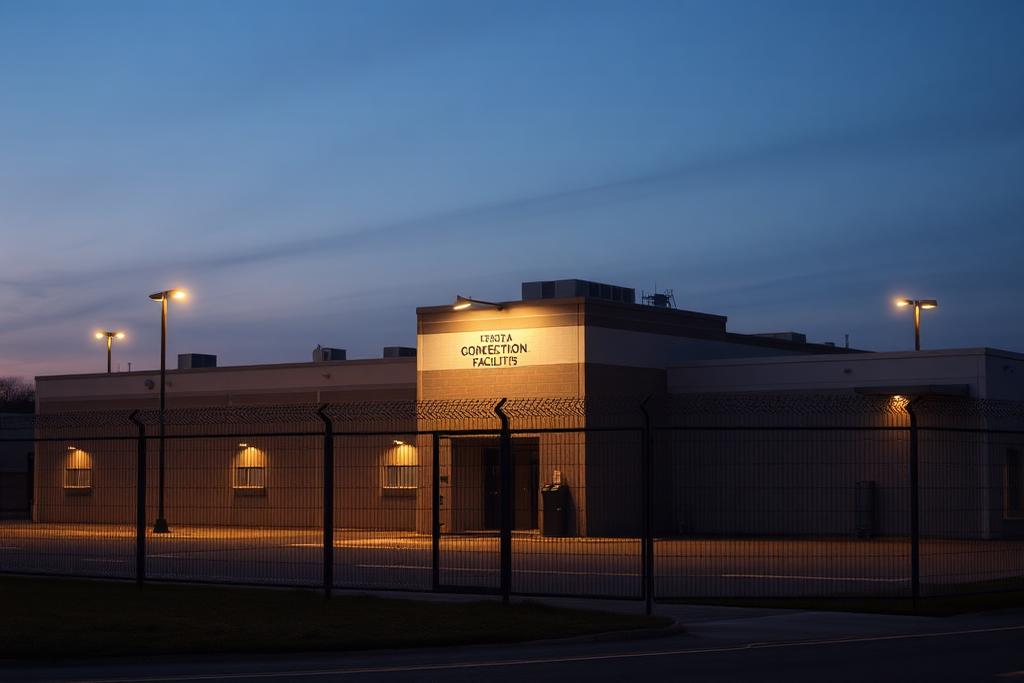
Corrections Fire Watch Officers — Jail and Detention Facility Impairment Coverage
In a locked facility occupants cannot self-evacuate. Our Fire Watch Officers staff jail and detention impairments inside the facility's movement, escort, and count procedures.
Fire Watch in Correctional and Detention Facilities
Correctional facilities are the most restrictive occupancy in the fire code. Occupants are locked in, egress depends on staff-controlled doors and remote unlocking systems, and evacuation is a last resort measured in staged movement rather than minutes. Because of that, an impairment to the fire alarm, detection, sprinkler, or smoke control system in an occupied housing unit demands immediate, continuous fire watch under the Washington State Fire Code and NFPA 101 detention and correctional provisions.
Seattle Emergency Firewatch staffs certified Fire Watch Officers for county jails, municipal holding facilities, juvenile detention centers, work release facilities, and secure behavioral health units across Puget Sound. Officers are background checked, briefed on the facility's post orders, and integrated into the movement and escort procedures corrections staff require before any patrol begins.
Housing Units, Mattress Fuel Loads, and Smoke Control
Patrol planning in a detention setting focuses on where a fire would start and how smoke would travel. Cell and dayroom fuel loads are dominated by mattresses, bedding, paper, and personal property, and intentionally set fires are a recognized risk. Officers patrol housing units, dayrooms, sallyports, intake and booking, kitchen and laundry areas, and mechanical spaces as the facility's escort protocol allows, verifying that smoke barrier doors latch, that egress and staging areas are clear, and that extinguishers and hose connections remain accessible.
Where smoke control or detection is impaired, the watch pays particular attention to corridors and shafts that would move products of combustion between housing units, and to the operability of the remote release systems staff would use to move occupants. Officers report anything that would slow a staged evacuation immediately to the shift supervisor rather than waiting for the end of a round.
Security Protocol, Staffing, and Documentation
A corrections fire watch has to fit inside the facility's security operations. Our Officers do not carry keys or interact with inmates, hold no custody role, and move only with the escort and clearances the facility assigns. Patrol times are coordinated with counts, meal service, medication passes, and shift briefings so the watch does not conflict with controlled movement, and continuity is maintained across shift changes without a gap in coverage.
Documentation is written for both the fire marshal and the facility's own accreditation and litigation record: timestamped rounds, units and zones covered, escort identification, door and barrier conditions, hazards found and reported, and every notification made to the shift supervisor or fire department. Logs are turned over at the end of each shift so the jail administrator has an inspectable record from the first hour of the impairment.
Compliance and Operational Details
- Locked occupancies require immediate continuous coverage; occupants cannot self-evacuate
- Officers are background checked, briefed on post orders, and escorted per facility protocol
- Officers carry no keys, hold no custody role, and do not interact with inmates
- Mattress and bedding fuel loads plus intentional ignition risk drive patrol emphasis
- Smoke barrier door latching and remote release operability are verified on every round
- Patrols are timed around counts, meal service, and controlled movement, with no shift-change gap
Fire Risks
- Locked housing units where occupants cannot self-evacuate
- Intentionally set fires and misuse of combustible materials
- Restricted movement that slows patrol routes and response
- Kitchen, laundry, and industry areas with elevated fire loads
- Older facilities with partial detection coverage
Compliance Requirements
- Detention occupancies require fire watch coverage of every affected housing unit
- Coverage intervals are often tightened by the authority having jurisdiction
- Officers must coordinate with facility staff on all movement and counts
- Fire watch logs must document each unit and each pass for audit
Benefits of Professional Fire Watch
- Coverage designed around defend-in-place and staff-assisted evacuation
- Officers who follow facility security protocols without exception
- Documentation prepared for inspection and accreditation review
- Reliable overnight and holiday staffing
Related Services
Emergency Fire Watch
Immediate deployment of certified Fire Watch Officers when fire protection systems fail unexpectedly.
Fire Alarm System Failure
Continuous patrol coverage when fire alarm systems are offline for repair or replacement.
Sprinkler System Impairment
Fire watch patrols when automatic sprinkler systems are impaired or taken out of service.
Standpipe & Fire Pump Impairment
Coverage for high-rise standpipe outages, fire pump repairs, and water supply interruptions.
Planned System Maintenance
Scheduled fire watch coverage during planned fire protection system shutdowns and testing.
Fire Marshal Ordered Fire Watch
Same-day compliance when an inspector or fire marshal orders fire watch as a condition of occupancy.
Corrections & Jails Fire Watch Questions
Do your Officers have custody or inmate contact duties?
No. Our Officers hold no custody role, carry no keys, and do not interact with inmates. They patrol under the facility's escort and clearance procedures and report to the shift supervisor.
How fast can you staff a jail fire alarm impairment?
Detention impairments are treated as emergency dispatch. We mobilize immediately and typically have a briefed Officer on site within one to two hours, sooner for scheduled work.
What do corrections fire watch logs include?
Timestamped rounds, housing units and zones covered, escort identification, smoke barrier and door conditions, hazards reported, and every notification made to facility staff or the fire department.
Need Fire Watch?
24/7 dispatch for immediate fire watch deployment.
(206) 657-6227Request ServiceAll Industries
Need Fire Watch Coverage Right Now?
Our dispatch center is staffed 24/7. Certified fire watch guards can be on-site within hours of your call.
Page last revised