Fire Watch During Planned System Maintenance in Seattle
Scheduled fire watch coverage during planned fire protection system shutdowns and testing.
Overview
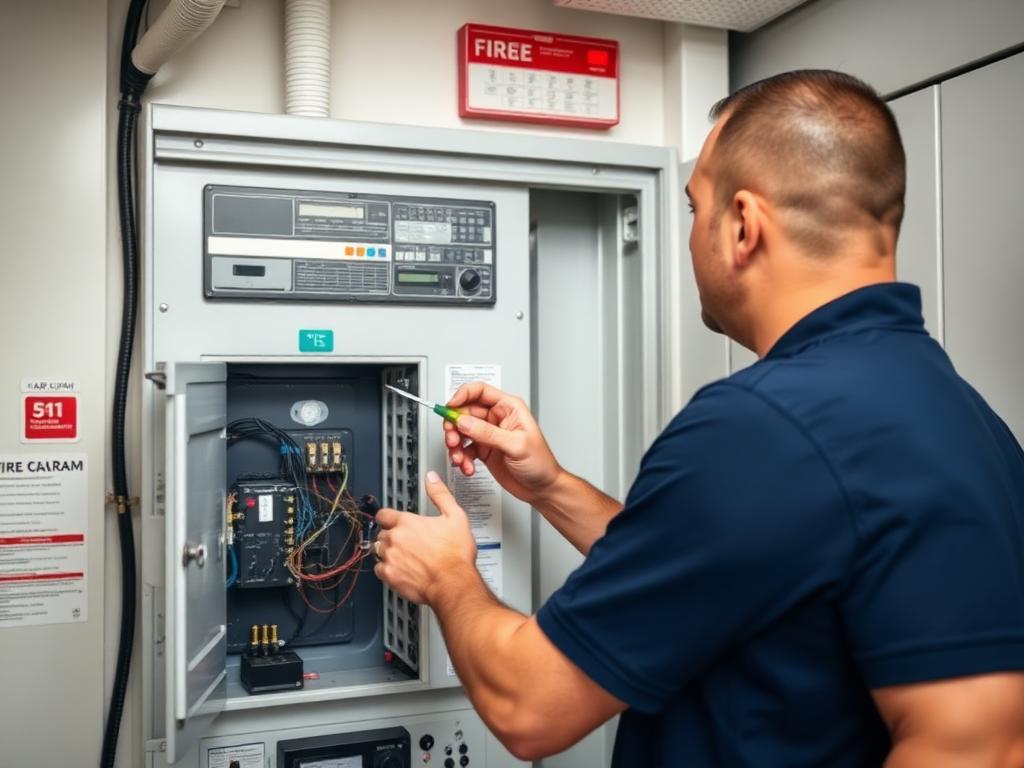
Planned maintenance on fire alarm and sprinkler systems requires fire watch coverage arranged in advance. Seattle Emergency Firewatch works with property managers, fire protection contractors, and building engineers to schedule officers ahead of the shutdown, so coverage begins before the system comes offline and ends only after it is restored.
When Is Fire Watch Required?
- Scheduled fire alarm system testing and maintenance
- Planned sprinkler system inspections and testing
- Fire pump maintenance and annual flow testing
- System upgrades, retrofits, and panel replacements
- Annual fire protection system inspections
Code Compliance
Fire code requires that fire watch be arranged before any planned impairment of a required fire protection system. Advance scheduling keeps officers on site before systems are taken offline, maintaining continuous compliance through the entire maintenance window.
Industries Served
What Counts as a Planned Maintenance Impairment
Planned maintenance covers the impairments a building schedules in advance rather than reacts to — annual sprinkler and standpipe flow tests, five-year internal pipe inspections, fire pump churn tests and annual flow tests, alarm panel firmware upgrades and device replacement cycles, backflow preventer testing that requires isolating the fire line, and elevator recall or smoke control testing that takes systems offline temporarily. IFC 901.7 applies the same way it does to an emergency failure — the building still needs notification and a fire watch for any period a required system is out of service — but the planning window changes what good compliance looks like. The AHJ's expectation shifts from asking whether the response was fast enough to asking whether the work was planned properly, since there was no surprise to react to.
Because planned maintenance is scheduled, most Puget Sound AHJs expect advance notice, sometimes 24 to 72 hours depending on the jurisdiction and system, filed before the contractor begins work rather than after. Skipping that advance notice on a scheduled test is one of the more avoidable citations we see, since the building had the lead time to file it and simply did not.
What the AHJ Expects for Scheduled Work
Because the timeline is known in advance, fire marshals expect the impairment window to be tight and accurate — a testing contractor who says the system will be down for four hours should be down for close to four hours, not eight, and the fire watch should be staffed to match the contractor's actual schedule rather than left running well past the point work finished. AHJs also expect the building to have already lined up its fire watch coverage before the contractor starts, since a scheduled impairment with no fire watch present at the start is treated no more leniently than an unplanned one.
For recurring annual and five-year testing in particular, some jurisdictions allow a shortened or modified watch if the testing itself is continuously observed by qualified personnel and the system is never left both untested and unwatched — but that accommodation has to be confirmed with the specific AHJ in advance, not assumed.
Patrol Interval and Route for Scheduled Outages
Because planned maintenance windows are typically shorter and better defined than emergency outages, the interval is usually set at the standard 15 to 30 minutes for the occupancy type, but route planning focuses heavily on coordinating with the contractor rather than reacting to an unknown failure. The Officer confirms with the testing crew which valves are closed, which zones are affected, and what the expected sequence of restoration looks like, so the patrol route and any hazard checks reflect the actual state of the system at each point in the test rather than a static assumption that everything is down for the full window.
Scheduled maintenance often affects only part of a building at a time — one riser tested while others remain in service, or one alarm zone taken offline for device replacement while the rest of the panel functions normally — so the Officer's route is built to match that partial scope precisely, which requires closer coordination with the contractor than a full-building emergency watch does.
Logging and Closing Out Scheduled Work
Planned maintenance logs record the scheduled start and end time filed with the AHJ alongside the actual times work began and finished, since a gap between the two is exactly what an inspector checks first on a scheduled impairment. The log also tracks which zones or floors were affected at each stage if the contractor worked in sequence, and captures the specific test results — flow readings, pump churn pressures, device response confirmations — that the contractor is separately required to file, since the fire watch log and the test report should tell a consistent story about what happened and when.
The watch ends when the contractor confirms the system is fully restored and the applicable test has passed, with any required AHJ witness or acceptance completed. The most common citation on planned maintenance is standing the watch down as soon as the contractor packs up equipment, before confirming the test results were actually accepted rather than just performed.
Planned System Maintenance Questions
How much advance notice does a planned impairment require?
Requirements vary by jurisdiction, but many Puget Sound AHJs expect 24 to 72 hours notice before scheduled testing or maintenance begins. We help confirm and file the specific notice your local fire marshal expects.
Can we use a shortened fire watch during annual sprinkler testing?
Some jurisdictions allow a modified watch when qualified personnel continuously observe the testing itself, but this has to be confirmed with the specific AHJ in advance and is not a default assumption.
Does the fire watch have to run the full time listed in the maintenance schedule?
It should match the actual outage, not just the estimate. We coordinate directly with the testing contractor so coverage starts when the system actually goes offline and ends when it is actually restored, not on a fixed block of hours.
What closes out a planned maintenance fire watch?
Contractor confirmation that the system passed its required test and is back in service, plus AHJ witness or acceptance where that jurisdiction requires it — not simply the contractor leaving the site.
Need This Service?
Our dispatch center is available 24/7 for immediate fire watch deployment.
(206) 657-6227Request ServiceOther Services
Need Fire Watch Coverage Right Now?
Our dispatch center is staffed 24/7. Certified fire watch guards can be on-site within hours of your call.
Page last revised